product image

select caret down
Login

Note: The content of this article is for general information purposes only. It does not replace medical or nutritional advice and does not constitute health-related statements about our products.

– Before you read on –

We don't just know everything about Kombucha ...

We also brew the best raw kombucha ourselves. If you're thirsty, stop by our shop and see for yourself!

Try kombuchery

If you've been diligently reading our blog, you're already a pro at making fermented tea beverages, and it's time for the sparkling refinement: the second fermentation. An unexpected variety, combinations entirely to your taste, and complementary ingredients for your delicious kombucha await you here.

What happens during the second fermentation?

After its first fermentation, kombucha is rich in all valuable nutrients. As usual, the popular tea beverage gives you a nutrient-rich boost for your body. Drinking a glass of kombucha daily detoxifies your liver, improves your digestion and thus your immune system, boosts your energy, brightens your mood, and aids in weight loss. If you suffer from acne, hair loss, eczema, and arthritis, kombucha can help bring these back into balance.

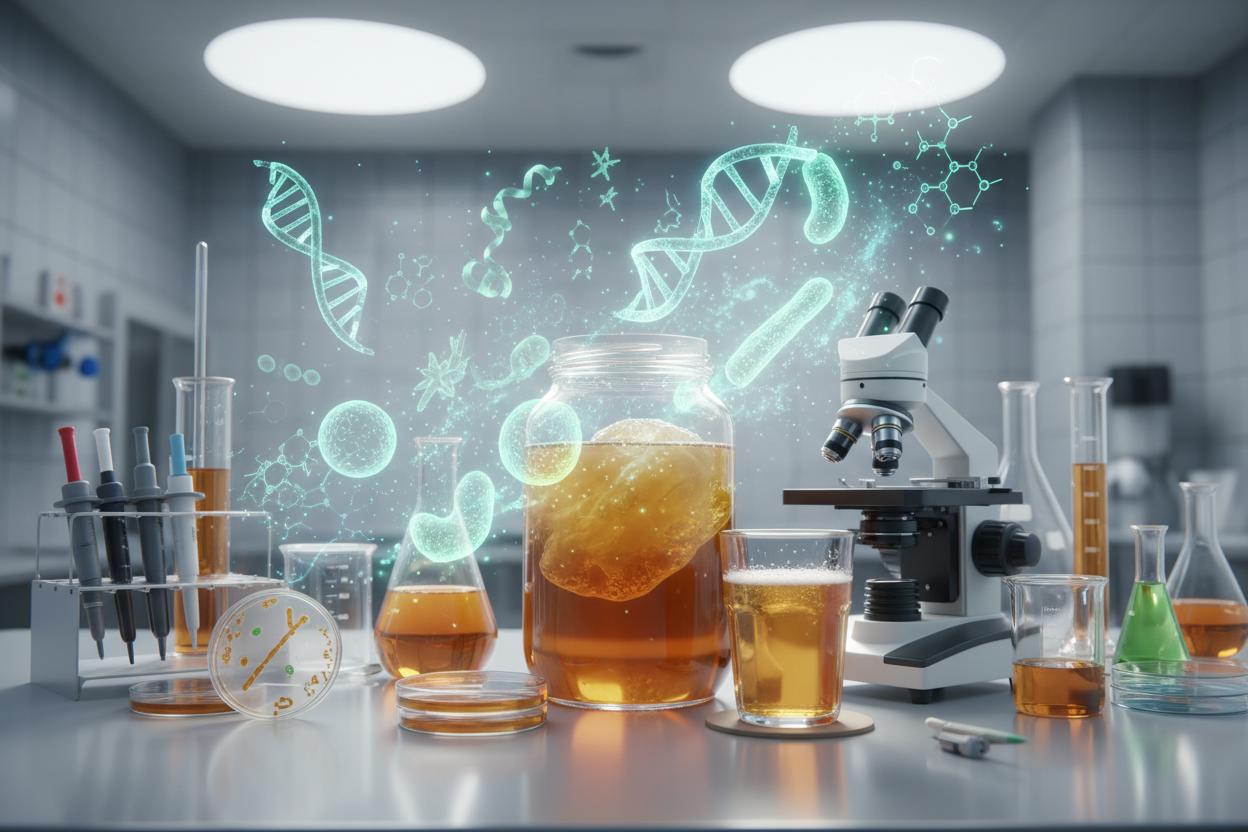
The first fermentation is aerobic, meaning it's set up with oxygen supply, while the second fermentation takes place anaerobically, i.e., in sealed containers without oxygen supply. These are hermetically sealed and stored at room temperature. The numerous microorganisms stop fermentation when deprived of oxygen. The anaerobically working yeasts break down residual sugar and the fruit sugar from added fruits. The resulting carbon dioxide can no longer escape and accumulates in the kombucha (carbonation). During this time, the kombucha absorbs the color and taste of the added fruit. The second fermentation also prevents the kombucha from becoming too sour.

It's important that you wait until the second fermentation to add special ingredients that change the kombucha's flavor. Otherwise, these could disrupt the symbiosis of bacteria and yeasts, and your kombucha might not develop the quality it should.

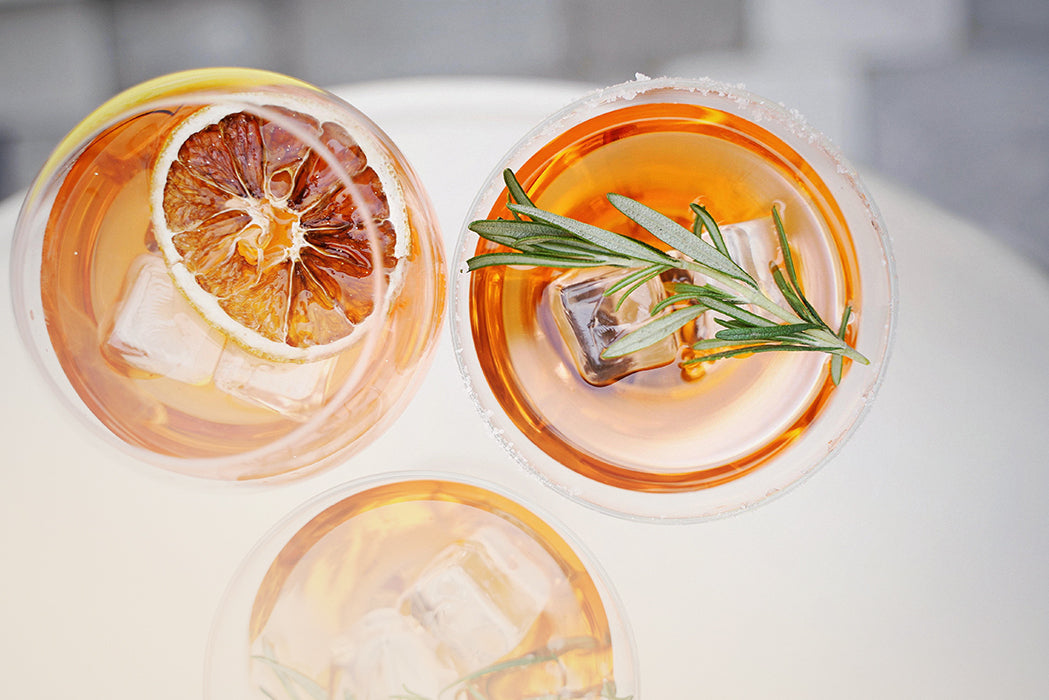
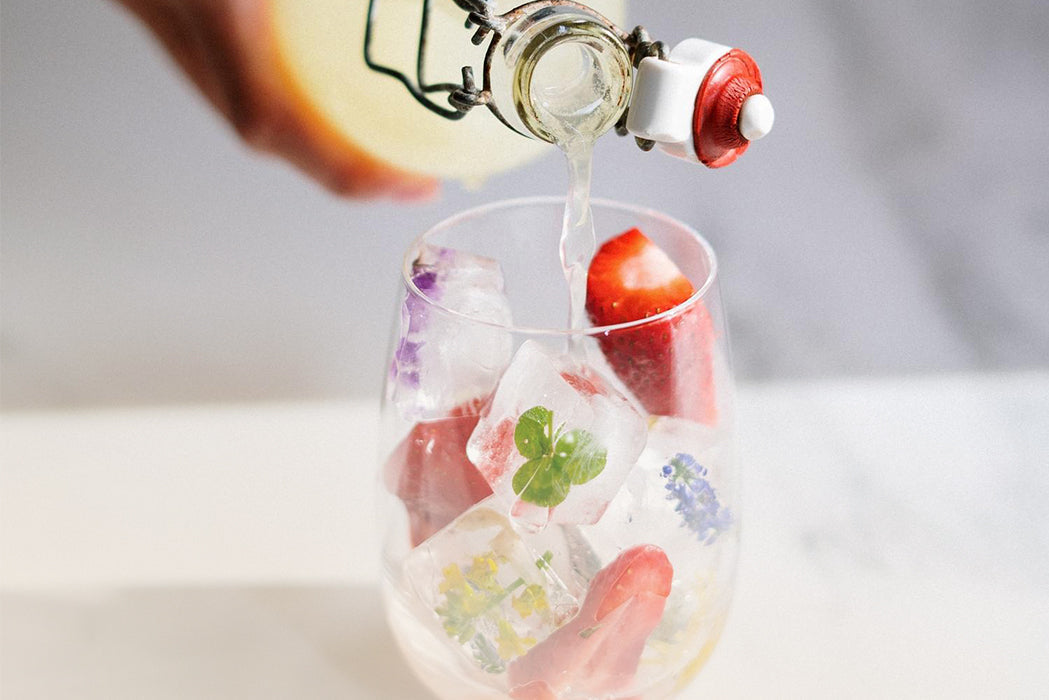
The second fermentation primarily serves to fine-tune the taste. By adding fruits, juices, herbs, or dried fruits, you enhance your kombucha and will be rewarded with a special fruity aroma and additional valuable nutrients.

What do I need for the second fermentation?

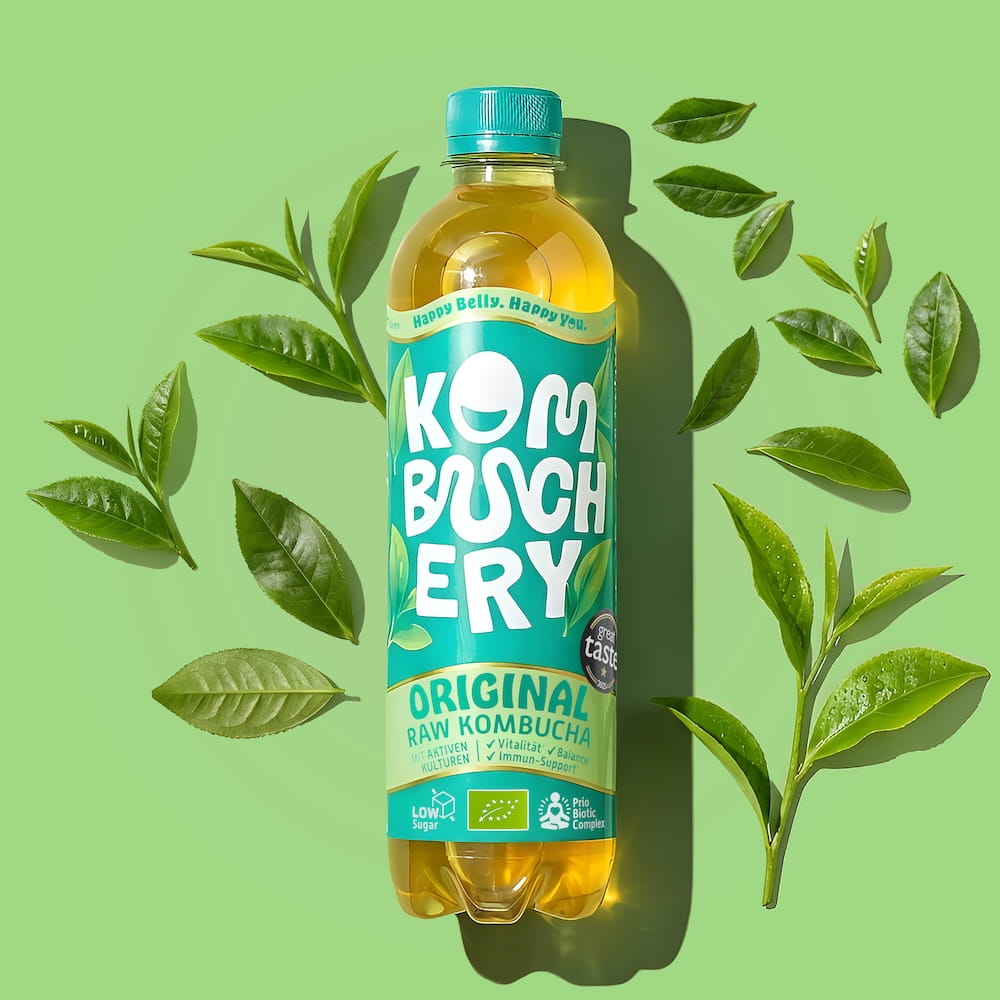
First, you can ferment your kombucha at home using this guide, or you can buy ready-made kombucha, like our Kombucha Original.

Depending on how many different flavors you want to ferment, prepare several bottles ranging from 200 to 750 ml. Now there are no limits to your experimentation. What are your favorite fruits? Which herbs or even flowers have you always wanted to combine with fruits? As inspiration, you'll find some recipes below.

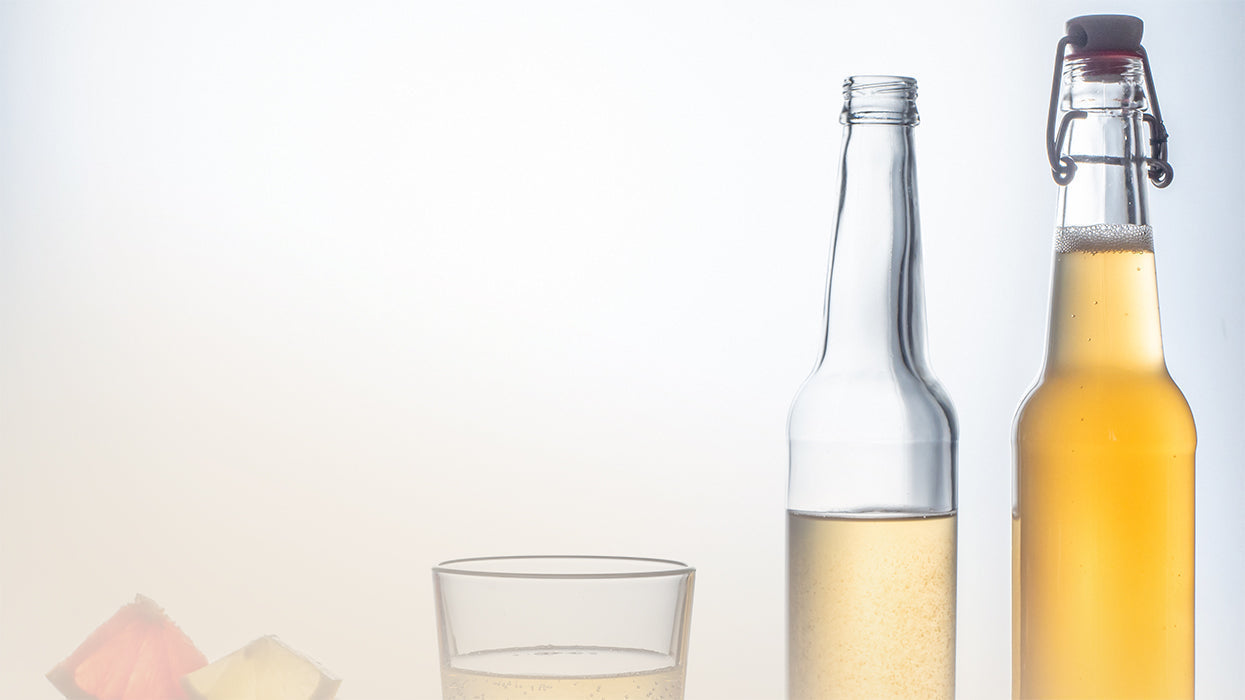
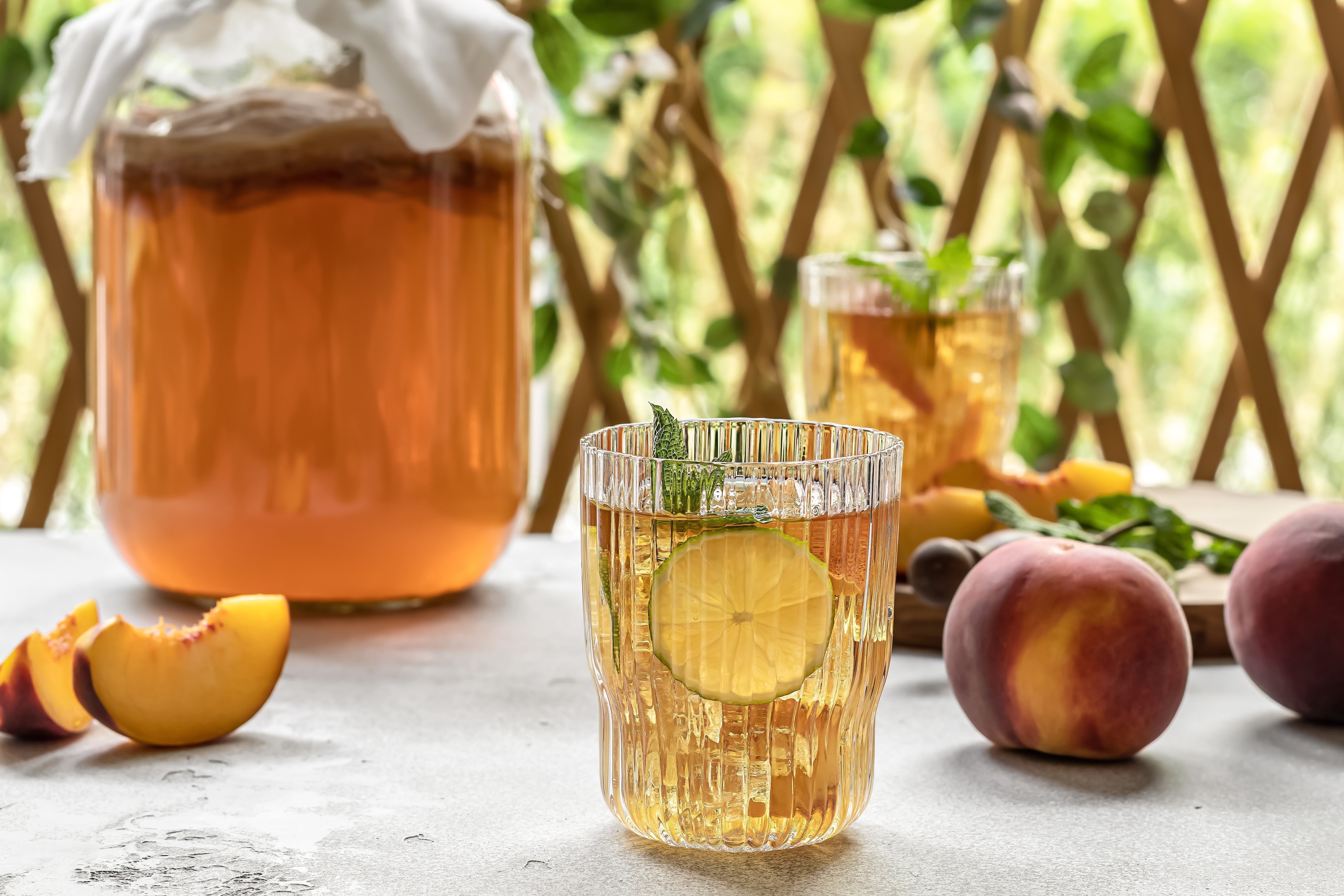
When bottling the original kombucha, it's best to leave enough space at the top towards the lid. You can fill the remaining space with juices, herbs, blossoms, or fruit. The lid must then be hermetically sealed. At room temperature, the kombucha can ferment for 2 to 3 days. It's important to carefully open the cap once a day to release the pressure. After the second fermentation, you can filter out the added ingredients and store the kombucha in the bottles in the refrigerator. This stops further fermentation, and the flavor and carbonation level will last longer.

Tip: Please ensure your bottles are not too thin-walled. Use sturdy bottles, as they must withstand the formation of carbon dioxide.


Fruits, Herbs, and Spices for Flavor and Additional Nutrients

By adding fruits, juices, herbs, or dried fruits, you determine your individual kombucha flavor. Here's a small overview of possible ingredients.

  • Fresh fruits and berries: Strawberry, orange, apple, watermelon, plum, pomegranate, lemon – whole, sliced, or as a puree. Citrus fruits have a refreshing aroma and promote carbonation.

  • Dried fruits: Dates, figs, cranberries, mulberries, mango, goji berries, raisins, plums. Since dried fruits have a high sugar content, a stronger formation of carbon dioxide occurs here.

  • Fresh herbs: Basil, mint, rosemary, thyme, lemon verbena, sage. You can ferment the herbs with the kombucha or boil them first and then add the cooled decoction.

  • Spices: Cinnamon, vanilla, coriander, cardamom, ginger, pepper, star anise

  • Flowers: Lavender, rose, daisies, elderflower (elderflower syrup), violets, primroses, forget-me-nots, hibiscus

  • Juices: Orange juice, apple juice, pomegranate juice, grapefruit juice, ginger juice

  • Roots or fresh vegetables: Ginger, turmeric, beetroot, cucumber

Tips: Often less is more. If you limit yourself to one to three ingredients, the aroma will be all the more distinct. Remember that yeasts need sugar for the second fermentation. If you prefer a combination without fruits, add 1 to 2 tablespoons of coconut blossom syrup or similar.

Our Kombucha Varieties

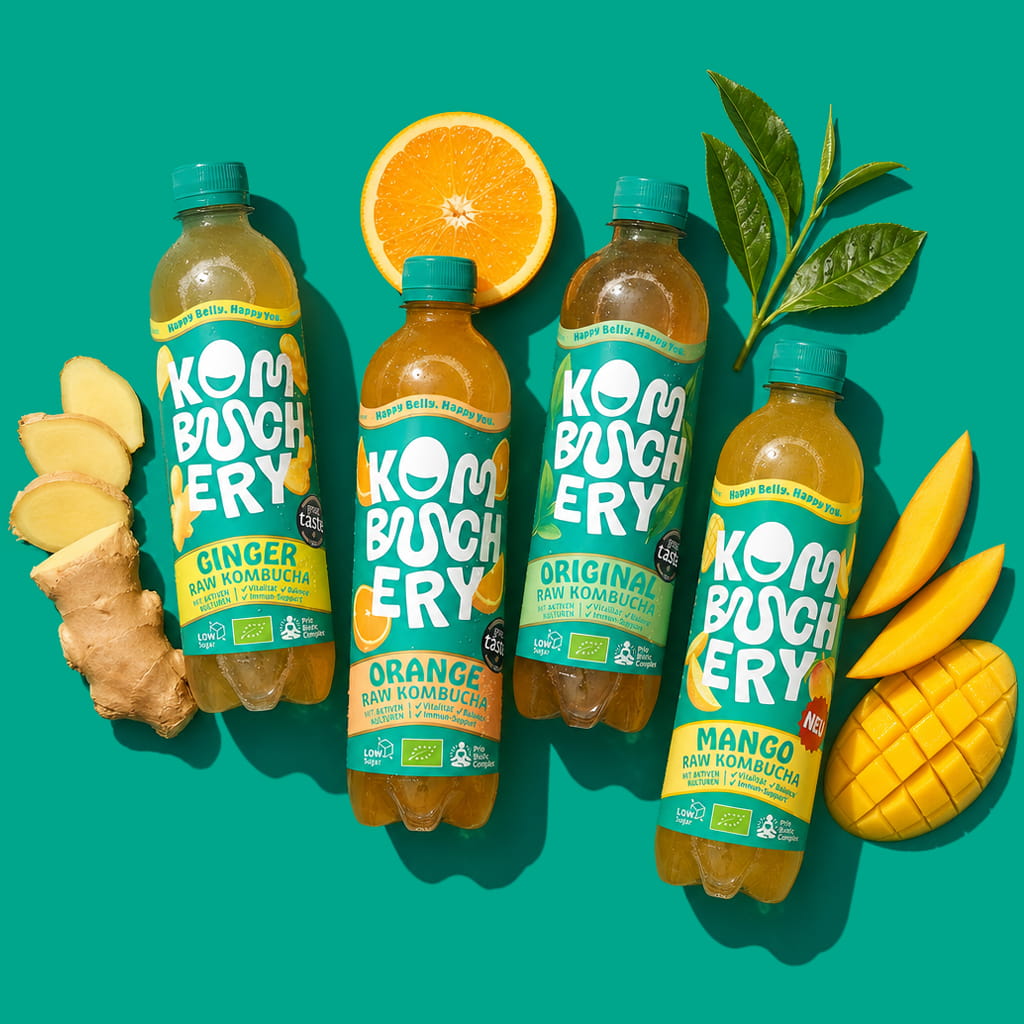
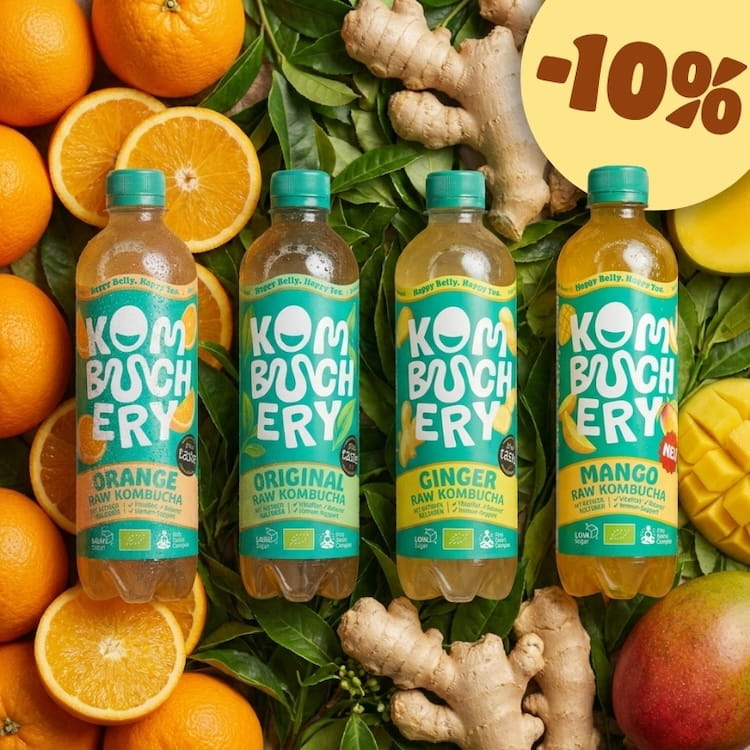
All our kombucha varieties are made from organic ingredients from controlled organic cultivation. In addition to the Kombucha Original and Mate from the first fermentation, we also offer three varieties refined with fruit juices.

Our Ingredients at a glance:

Tea infusion (filtered water, South Chinese Sencha green tea, Indian FOP black tea), kombucha cultures (yeast and bacterial cultures), raw cane sugar, ginger juice 2.5%, blackcurrant juice 1%, passion fruit juice 2%, mate tea 1%, carbon dioxide

The juices for the second fermentation are 100% gently pressed and cloudy mother juice. Mother juice is, from a nutritional point of view, the most valuable juice variant. This is because the juice comes from the first pressing of the fruits and still contains all the cloudiness. These are tiny particles from the pulp or skin, which contain many health-promoting plant compounds.

Power Fruits and Their Effect on Your Well-being

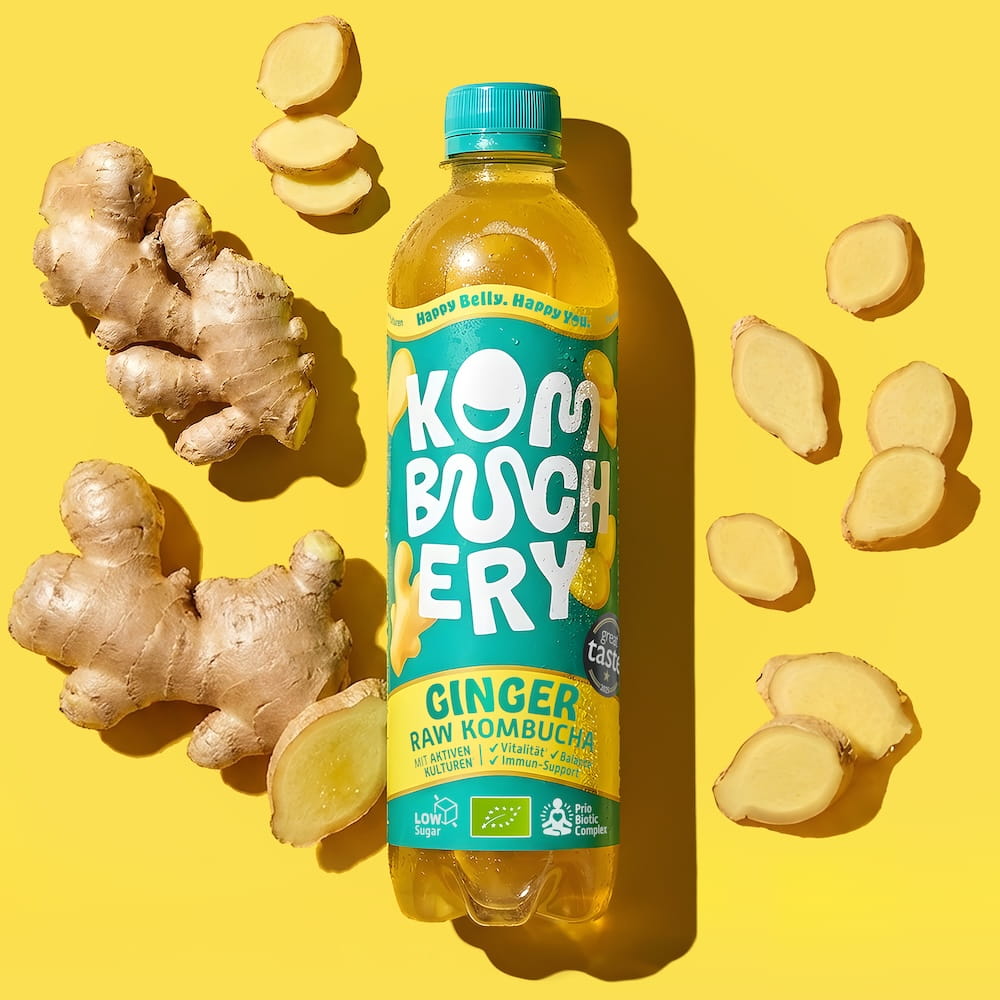
Ginger: The plant fibers of ginger are rich in vitamin C, trace elements, especially magnesium, iron, calcium, potassium, sodium and phosphorus, as well as antioxidants, which are considered particularly health-promoting and are said to have a significantly positive effect on the aging process of cells and the entire organism. The tuber can promote digestion, effectively stimulate metabolic processes and fat burning, and immediately relieve acute stomach problems, such as motion sickness. In addition, ginger has anti-inflammatory, antibacterial, circulation-promoting and cleansing properties. This makes ginger a popular remedy for colds or flu-like infections, for example, as freshly brewed tea or as ginger water.

Passion fruit: Passion fruit, not to be confused with passionfruit, contains vitamin C. Its ingredients also include the B vitamins niacin and riboflavin. Riboflavin plays a role in energy and protein metabolism. Passion fruit seeds contain many unsaturated fatty acids, which is why passion fruit oil is often used in cosmetics.

Blackcurrant: Blackcurrant juice is an old home remedy for sore throats because it has antibacterial and anti-inflammatory effects. The berry fruit contains three times as much vitamin C as a lemon. People with high blood pressure benefit from the abundant potassium – more than twice as much as in apples. It flushes excess water from the body and has a blood-lowering effect. The secondary plant compounds in the berry fruit promote blood circulation and have anti-inflammatory properties.

Recipes for the Second Fermentation

Please note for all preparations: If many bubbles are visible in the bottle, a pressure equalization should be carried out carefully. Preferably once a day.

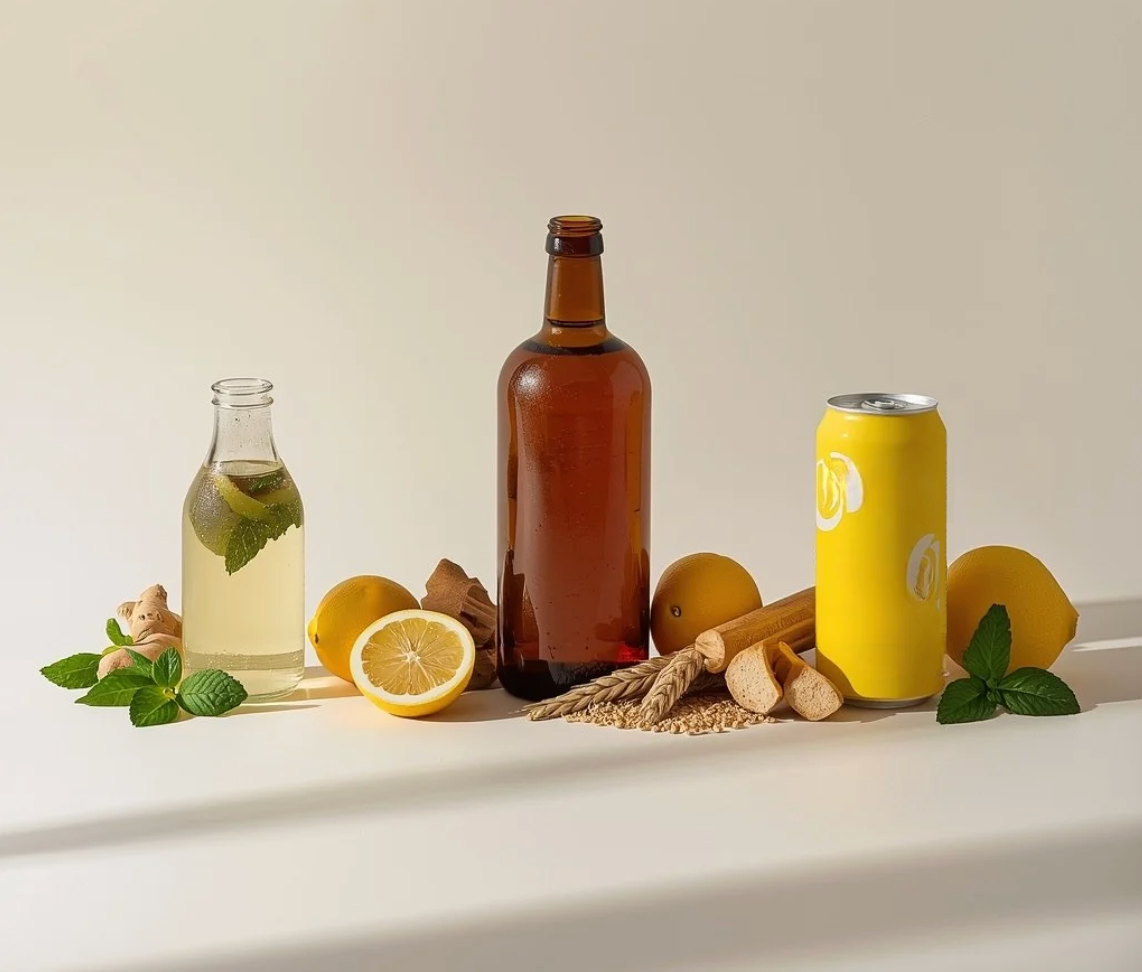
Ginger-Lemon Kombucha

What you need:

  • 4 glass bottles à 200 ml
  • 8 slices of peeled ginger
  • 3 bottles of KOMBUCHERY Original
  • 30 ml freshly squeezed lemon juice

Here's how to make it:

  1. Divide the kombucha into 4 bottles.
  2. Distribute the peeled and washed ginger slices into the bottles.
  3. Fill the bottles with lemon juice in equal proportions
  4. Seal the bottles.
  5. Allow the kombucha to ferment at room temperature for at least 3 days. Then place it in the refrigerator to stop the fermentation.

    Cranberry-Ginger Kombucha

    What you need:

    • 500 ml finished kombucha
    • 2 tablespoons cranberry juice
    • 1 teaspoon grated ginger (if you don't like ginger as much, you can also use freshly squeezed orange juice)

    Here's how to make it:

    1. Pour 1 liter of fermented kombucha into a pressure-safe swing-top bottle.
    2. Add the ginger and cranberry juice. If you prefer a stronger cranberry flavor, you can double the amount of cranberry juice.
    3. Close and secure the bottle cap.
    4. Allow the drink to ferment at room temperature for 5 days, then place the bottles in the refrigerator.

      What cranberries can do for you: Red cranberries, in addition to their versatile use in cooking, are also considered miracle berries that are said to help against urinary tract infections in women. In addition, the berries have a diuretic effect and are said to help with weight loss. Cranberries also contain antioxidants and flavonoids, which can support your immune system and slow down the aging process.

      Kombucha with Flowers

      What you need:

      • 800 ml finished kombucha
      • 1 small elderflower umbel
      • 10 to 15 chamomile blossoms
      • 3 lavender blossoms
      • 3 rosebuds (dried, they have more aroma)

      Here's how to make it:

      1. Pour the kombucha into a swing-top bottle.
      2. Shake out all the blossoms to free them from pollen and small insects.
      3. Pluck the small elderflower umbels.
      4. Separate the chamomile and lavender blossoms from the stem directly behind the flower heads.
      5. Add all ingredients to the bottle.
      6. Close the bottle and leave it at room temperature for 1 to 3 days. Feel free to taste it occasionally.
      7. Once the taste and carbonation level are right, filter out the ingredients and store the kombucha in the refrigerator.

      What elderflower can do for you: The blossoms contain, among other things, pectins, essential oil, vitamin C, vitamin A, B, tannins, the minerals iron and zinc, trace elements, as well as plant compounds such as flavonoids. All these ingredients give the plant a diuretic, diaphoretic, laxative, anti-inflammatory, and antiseptic effect. The antioxidants also contained in elderflowers ward off free radicals, neutralize them, and protect the body from cell damage. Traditionally, elderflowers are used as a "detoxifying agent" to strengthen the immune system.

      Minty Strawberry Kombucha

      What you need:

      • 800 ml finished kombucha
      • 3 tablespoons chopped strawberries
      • 6 to 10 peppermint leaves (depending on desired intensity)

      Here's how to make it:

      1. Add the strawberry pieces and mint leaves to the fermentation bottle.
      2. Close the bottle and let the mixture ferment at room temperature for 1 to 3 days.
      3. After one day, you can already taste the drink. If the taste and carbonation level are to your liking, enjoy the drink immediately or store it in the refrigerator.

        What strawberries can do for you: The vitamin C content is strikingly high. It is 60 mg per 100 g of weighed fruit. You quickly consume this amount with just 6 to 7 fruits. In addition, strawberries are rich in antioxidants. For pregnant women, the contained folic acid is particularly beneficial for the development of their child. Instead of supplements, 100 g of fruit can already contain 43 micrograms of folic acid. You can still consume strawberries without hesitation even if you want to lose weight.

        Further delicious recipes and book recommendations can be found here on our blog.

        FAQ

        How long does kombucha last after the second fermentation?

        The bottled kombucha cannot, in principle, expire. It will become sourer and more sparkling over time. It is best stored in the refrigerator the entire time to stop the fermentation process.

        What ingredients does kombucha contain?

        • Bacterial and yeast strains: Acetobacter xylinum, Acetobacter oxydans, Gluconobacter oxydans, Gluconobacter xylinus, Saccharomyces apiculatus, Saccharomyces cerevisiae (baker's yeast), Saccharomyces ludwigii, Schizosaccharomyces pombe
        • Vitamins: Vitamin B1, B2, B3, B6, B12, Vitamin C, Vitamin D, Vitamin E, Vitamin K, Folic acid
        • Organic acids: Malic acid, Succinic acid, Acetic acid, Folic acid, Glucuronic acid, Gluconic acid, Malonic acid, Lactic acid, dextrorotatory (L+) Lactic acid, Oxalic acid, Usnic acid, Citric acid
        • Trace elements and minerals: Iron, Magnesium, Sodium, Potassium, Calcium, Cobalt, Zinc
        • Secondary plant compounds: Flavones, Isoflavonoids, Polyphenols
        • Enzymes, amino acids and tannins: e.g. 14 different amino acids

        Does kombucha contain alcohol?

        All fermented beverages contain a certain percentage of alcohol. This is formed during the fermentation process.

        According to German food law, a drink may be called "alcohol-free" if it contains a maximum of 0.5% alcohol. Our kombucha has an alcohol content of less than 0.5%. For comparison: fruit juices can also have this alcohol content. Since our kombucha is unpasteurized, the exact content may vary slightly depending on storage.

        Due to the low, but still present, alcohol content in kombucha, pregnant and breastfeeding women should play it safe and not drink kombucha. Children should also not consume kombucha daily or too often for the same reason. A quantity of up to 125 ml per day is recommended.

        Good luck and good health!

        Thanks for reading!
        At Kombuchery, no one is left thirsty for knowledge! You can find more exciting articles in our blog or write to us about anything you've always wanted to know via email or WhatsApp. I'll immediately dive into research, find out everything for you, and make my keyboard glow ;)
        Elfie from Kombuchery

        3 comments

          • Harald Knoll
          • April 29, 2025 at 11:47 am

          SUPER TOLLE Einführung in das Thema. Kurz und trotzdem ausführlich genug.
          DANKE … und jetzt gehts los mit der Zweitfermentation ;-D

          • Maria König
          • October 15, 2024 at 10:33 am

          Die beste Beschreibung überhaupt. Sehr ausführlich und interessant. Danke

          • Maria
          • October 7, 2021 at 11:25 am

          Hallo und danke für die ausführlichen Infos.
          in meiner Zweitfermentation (pur) entwickelt sich in den Flaschen immer ein Schleimpfropf. Warum und ist der schädlich? Ich bin noch nicht sehr mit dem Brauen des Kombuchas vertraut und hoffe auf eine Antwort.
          LG Maria

        Leave a comment

        Please note, comments need to be approved before they are published.

        This site is protected by hCaptcha and the hCaptcha Privacy Policy and Terms of Service apply.

        Note: This article is intended for informational purposes only and should not be construed as professional analysis, advice, or medical information. It contains the author's personal opinion based on researched literature and personal experience on the subject.

        Recommended articles for you

        You can find more of my articles, from A, like non-alcoholic kombucha cocktails, to Z, like lemon-ginger kombucha, on our Kombuchery blog. Let's learn more about kombucha together!

        View all

        Kombucha Guide Berlin: Die 10 besten Cafés & Restaurants in 5 Bezirken

        Kombucha Guide Berlin: The 10 Best Cafes & Restaurants in 5 Districts

        Urban Wellness in Berlin: 5 Neighborhoods Where You'll Find Great Kombucha Berlin is one of Europe's most exciting cities when it comes to modern food and drink culture. Kombucha is no longer a niche product here, but part of a...

        Read moreabout Kombucha Guide Berlin: The 10 Best Cafes & Restaurants in 5 Districts

        Wer kann mehr? Der Vergleich: Kombucha, Brottrunk & funktionale Limonaden

        Who Can Do More? The Comparison: Kombucha, Brottrunk & Functional Lemonades

        In recent years, the range of beverages available has changed significantly. In addition to classic soft drinks, more and more fermented beverages and so-called functional lemonades are available in supermarkets today. Particularly popular are kombucha, kvass, and modern lemonades with...

        Read moreabout Who Can Do More? The Comparison: Kombucha, Brottrunk & Functional Lemonades

        Kombucha und seine Wirkung: Wissenschaftliche Studien zu Inhaltsstoffen, Fermentation und Gesundheit

        Kombucha and Its Effects: Scientific Studies on Ingredients, Fermentation, and Health

        Kombucha is one of the most intensively researched fermented beverages in recent years. Modern microbiological, nutritional, and clinical studies show that the drink possesses an exceptionally complex biochemical composition. During fermentation, numerous bioactive compounds are formed, including organic acids, polyphenols,...

        Read moreabout Kombucha and Its Effects: Scientific Studies on Ingredients, Fermentation, and Health

        🌍 World Kombucha Day am 21. Februar: Geschichte, Fakten & Tipps zum Feiern

        🌍 World Kombucha Day on February 21: History, Facts & Tips for Celebrating

        Celebrate the Effervescent History of Kombucha Every year on February 21st, kombucha fans worldwide celebrate World Kombucha Day. But why exactly does this day exist? It's simple: it's a tribute to a beverage that has delighted, inspired, and refreshed people...

        Read moreabout 🌍 World Kombucha Day on February 21: History, Facts & Tips for Celebrating

        Die besten Nahrungsergänzungsmittel: Gesundheit gezielt stärken ohne Risiko

        The Best Nutritional Supplements: Targeted Health Boosts Without Risk

        Dietary Supplements: Beneficial for all who can't live perfectly healthy every day In a stressful everyday life, many people can't always manage to eat optimally healthy every day. Shift work, long days in the office, little time for fresh cooking,...

        Read moreabout The Best Nutritional Supplements: Targeted Health Boosts Without Risk

        Darmkuren im Check: Was wirklich wirkt

        Bowel Cleanses Under Scrutiny: What Really Works

        Colon cleanses, detox programs, and so-called "bowel purifications" have enjoyed great popularity for years. They promise a fresh start for the body, more energy, better digestion, and increased well-being. Especially in the context of gut health, such promises seem plausible...

        Read moreabout Bowel Cleanses Under Scrutiny: What Really Works

        Präbiotische/ probiotische Hautpflege: Hilft sie wirklich?

        Prebiotic/probiotic skincare: Does it really work?

        Prebiotic and Probiotic Skincare: Trend or Scientifically Effective? The Skin Microbiome: A Complex Ecosystem The skin is the largest human organ and a complex ecosystem inhabited by a multitude of microorganisms, collectively known as the skin microbiome. This consists of...

        Read moreabout Prebiotic/probiotic skincare: Does it really work?

        Wozu braucht der Körper Präbiotika?

        Why does the body need prebiotics?

        Prebiotics are often overshadowed by their more well-known "relatives," probiotics. While probiotics are living microorganisms that we ingest through food or supplements, prebiotics serve as food for the beneficial bacteria in the gut. They are, so to speak, the fuel...

        Read moreabout Why does the body need prebiotics?

        Wie viel Kombucha ist gut für dich?

        How much kombucha is good for you?

        How much kombucha is good for me? Our tips on dosage, duration of use and what your body really needs Kombucha is more than just a trendy drink - it's alive, naturally fermented, and packed with microorganisms. But how much...

        Read moreabout How much kombucha is good for you?

        Neue Rezeptur mit Vitamin C aus Acerola: *Vitamin C trägt zu einer normalen Funktion des Immunsystems, einem normalen Energiestoffwechsel sowie zum Schutz der Zellen vor oxidativem Stress bei.
        • Vitamin C trägt zu einer normalen Funktion des Immunsystems bei.
        • Vitamin C trägt zu einer normalen psychischen Funktion bei.
        • Vitamin C trägt zu einem normalen Energiestoffwechsel bei.
        • Vitamin C trägt zur Verringerung von Müdigkeit und Ermüdung bei.
        • Vitamin C trägt zu einer normalen Funktion des Nervensystems bei.
        • Vitamin C trägt dazu bei, die Zellen vor oxidativem Stress zu schützen.
        • Vitamin C trägt dazu bei, die reduzierte Form von Vitamin E zu regenerieren.
        • Vitamin C trägt zu einer normalen Kollagenbildung für eine normale Funktion der Haut bei.
        • Vitamin C trägt zu einer normalen Kollagenbildung für eine normale Funktion der Blutgefäße bei.
        • Vitamin C trägt zu einer normalen Kollagenbildung für eine normale Funktion der Knochen, der Knorpel, der Zähne und des Zahnfleisches bei.
        • Vitamin C erhöht die Eisenaufnahme.