


Our gut is the most densely populated place in the world
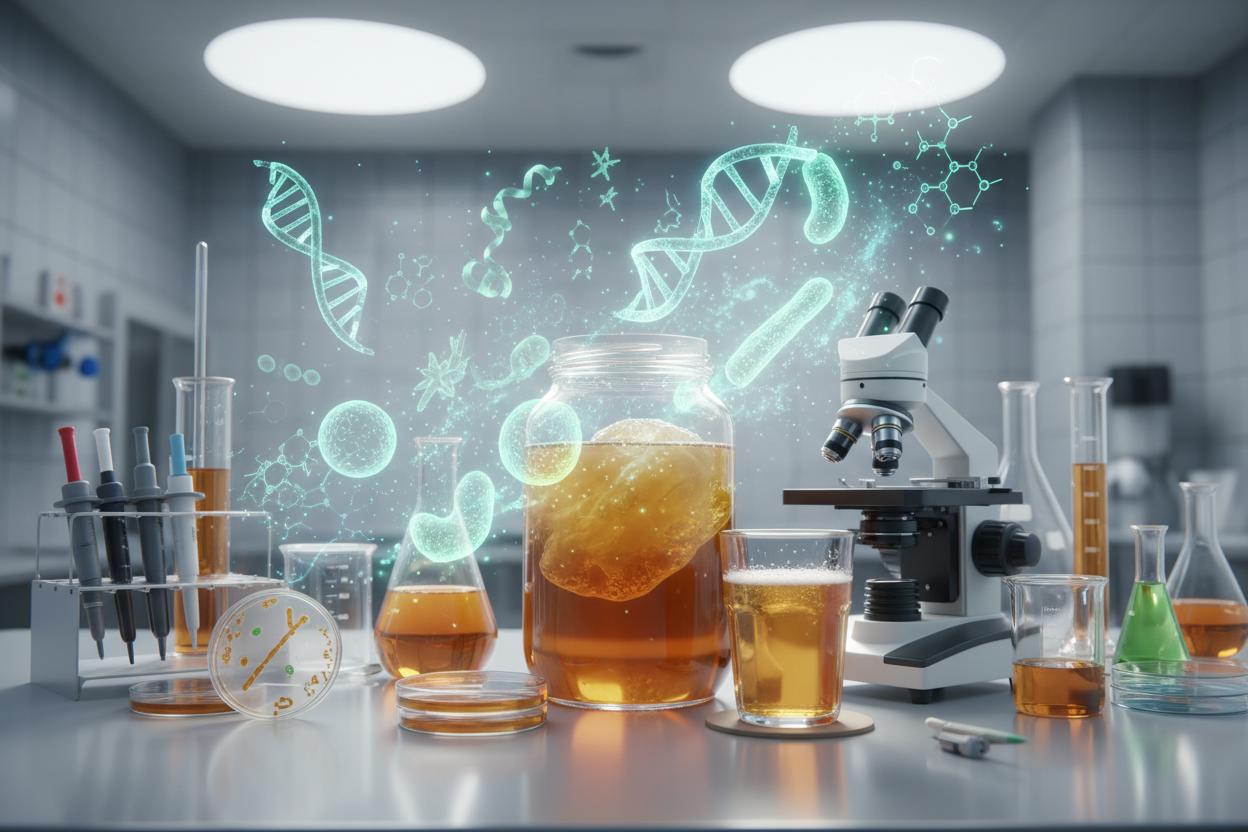
Trillions of microorganisms live in our gut, collectively forming the gut microbiome. The gut, microbiome, and brain are connected via various signaling pathways. What happens in the gut, and what role does the microbiome play? Here are some interesting facts compiled for you!
The power of the gut barrier should not be underestimated
With 200 m², the surface of the small intestine is 100 times larger than the entire surface of our skin. The body can absorb nutrients and fluids over this vast area. However, the many folds and protrusions of the intestine also allow harmful microorganisms and germs to penetrate. To prevent this, the intestine has various helpers that support it in its defense:
- the microbiome ("gut flora")
- the intestinal mucosa
- the gut-associated immune system (also GALT from engl. gut associated lymphoid tissue)
Together, they form the so-called gut barrier, which wards off most attacks from germs early on or successfully combats them. Most pathogens, such as viruses, bacteria, or fungi, are directly fought by stomach acid. Should they penetrate this barrier, the immune cells of the intestinal wall come into play.
GALT, the largest accumulation of important defense cells
The gut-associated immune system – also called GALT – is largely located in the intestinal mucosa and is an important part of our immune system. The intestine also performs central tasks in digestion and nutrient absorption. The gut and brain communicate with each other via the so-called gut-brain axis. Nerve connections, metabolites, and various signaling substances are involved in this complex exchange.
Prebiotics and Probiotics: Foundations for Gut & Microbiome
Prebiotics
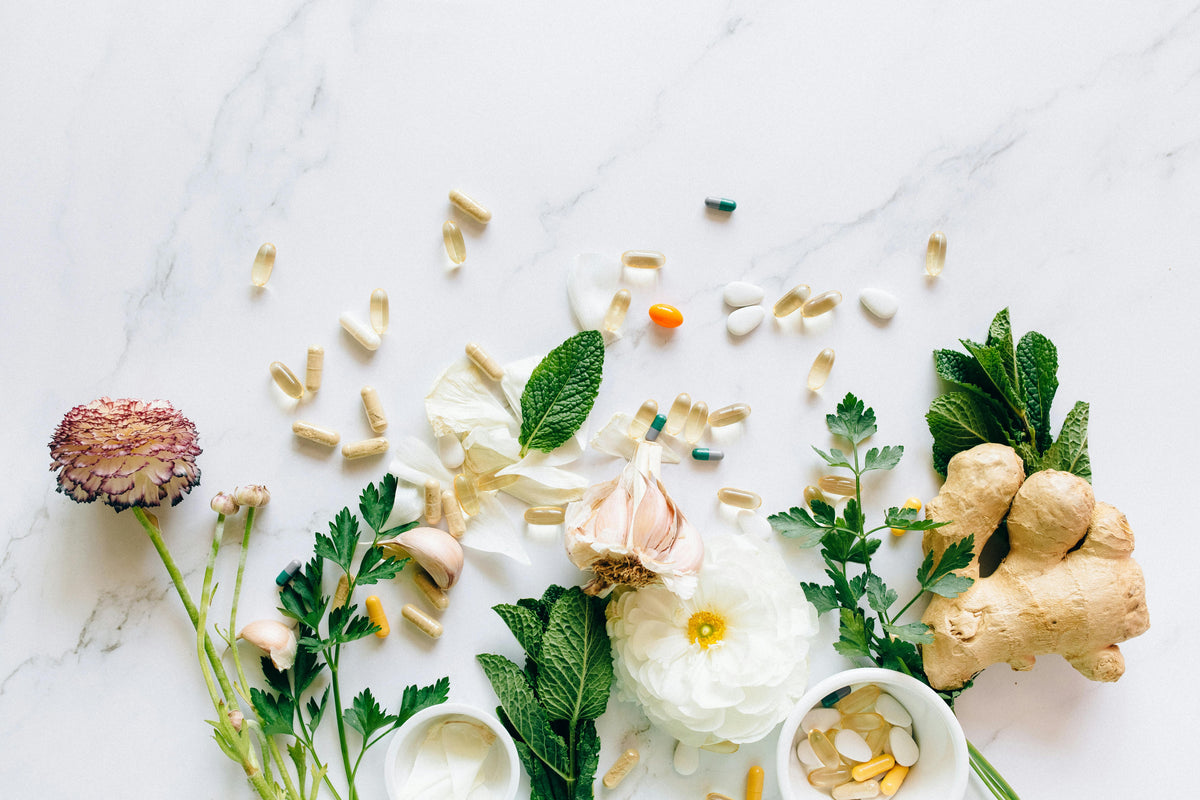
are food components that are difficult for the gut to digest. Most of you will know these components by the name fiber. Certain fibers serve as food for gut bacteria. They cannot be completely broken down by human digestive enzymes and can be used as a substrate by certain gut bacteria. Prebiotics include, for example, grains, asparagus, chicory, onions, garlic, and bananas.
Probiotics
Probiotics are defined living microorganisms that must be consumed in sufficient quantities to be classified accordingly.
Fermented foods such as yogurt, kefir, kimchi, or unpasteurized kombucha can also contain living microorganisms. However, this does not automatically make them a probiotic.
Even pickled or fermented vegetables can contain living microorganisms depending on the production method and thus bring additional diversity to a varied diet.
The gut microbiome is connected to numerous processes in the human body. A balanced diet with sufficient fiber provides different substrates that can be utilized by microorganisms in the large intestine.
Gut and brain are in close communication!
Researchers are intensively investigating how the gut and brain communicate with each other via various signaling pathways and what role the gut microbiome plays in this. This so-called gut-brain axis includes, among other things, nerve connections, metabolites, and various messenger substances.






Share: