



Immune System in Winter: These Factors Play a Role in Everyday Life
Our immune system is active daily. Factors such as a balanced diet, sufficient sleep, exercise, and the supply of certain nutrients can contribute to its normal function. Here are six practical points at a glance.
Our immune system protects the body from pathogens and includes various innate and acquired defense mechanisms. A balanced diet and a healthy lifestyle are among the basics of everyday life. The human immune system is divided into an innate and an acquired one. Lymphocytes play an important role in immune defense, specifically the so-called B-cells and T-cells. B-lymphocytes develop antibodies against bacteria and viruses. They can even recognize the respective germ again at a later time by developing memory cells. T-lymphocytes are proactive and kill pathogens and support immune cells. The older we get, the fewer B and T cells our body produces. A healthy lifestyle and a balanced diet are important foundations for everyday life. What else can you do to support the normal function of your immune system? Here are 6 simple tips.
1. Vitamin D
Vitamin D can be produced by the body in the skin under the influence of sunlight and can also be taken in through certain foods. Vitamin D contributes to a normal function of the immune system. Whether additional intake via supplements is useful or necessary depends on individual supply and should be clarified by a specialist if uncertain.

2. Avoid Stress and Get Enough Sleep
Persistent stress can burden everyday life and personal well-being. Regular rest, sufficient sleep, exercise, and a balanced diet are therefore important components of a balanced lifestyle. Especially during stressful periods, it is worthwhile to pay attention to regular meals, sufficient sleep, and a balanced supply of important nutrients. How much sleep is individually needed varies from person to person; sufficient and regular recovery phases are particularly important.
So try in your daily life to:
1. Avoid chronic stress
2. Improve sleep with:
- fixed sleep-wake times
- reduce caffeine
- don't eat too late before sleeping
- avoid light from smartphones and laptops before going to bed

3. Healthy Diet
A varied and balanced diet with fruits, vegetables, whole grains, legumes, and other nutrient-rich foods is an important part of a balanced lifestyle. Fiber-rich foods such as vegetables, fruits, legumes, and whole-grain products are an important part of a balanced diet.
Foods for a varied nutrient supply:
- Mainly plant-based diet
- Foods with bitter substances such as arugula, chicory,
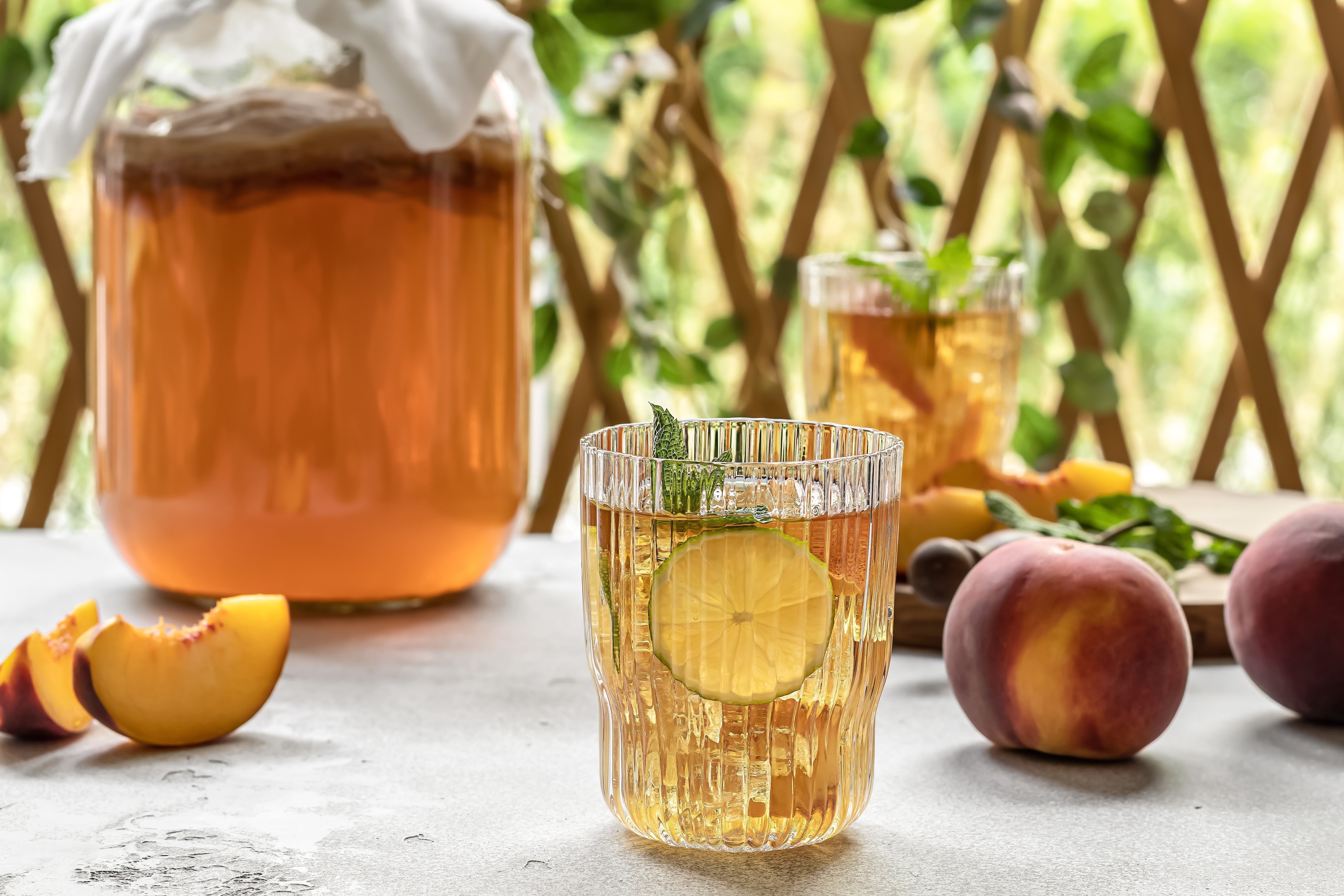
artichokes, Brussels sprouts, savoy cabbage, coriander, sage, dandelion - Fermented and fiber-rich foods – for example, certain vegetables, sauerkraut, yogurt, water kefir or kombucha
- Drink enough water – 30 ml of fluid per kilogram
of body weight per day - Avoid fast food
- Healthy fats and proteins
- Rice, bread, pasta in the whole-grain variant
- Avoid too much salt and use spices like turmeric and ginger
more often

4. Moderate Exercise
Regular exercise is part of a balanced and active lifestyle. During exercise, various physiological parameters temporarily change, including the distribution of certain immune cells in the blood. Crucial is a workload that suits one's own fitness and recovery. Suitable activities include walks, cycling, swimming, jogging, yoga, or Pilates.
For example, light endurance sports like jogging, swimming, or cycling, as well as yoga or Pilates, are suitable.

5. Vitamin C
Vitamin C, also known as ascorbic acid, is an essential vitamin that the body must absorb through diet. Vitamin C contributes to a normal function of the immune system. Good sources of vitamin C include various fruits and vegetables.
Vitamin C is, for example, present in high amounts in various vegetables:
- Red bell pepper
- Brussels sprouts
- Kale
- Broccoli
- Cauliflower
- Kohlrabi
- Red cabbage
- Spinach
Some vitamins, including vitamin C, are sensitive to heat. Gentle preparation and short cooking times can therefore help to limit the loss of certain vitamins.

6. Sauna and Alternating Baths
Sauna use or alternating showers can be part of a conscious wellness and recovery routine for many people. Especially the recovery effect and the resulting stress reduction can help the body be prepared for challenging times.












Share: